Is "Listen to Customer Voices" Really the Key to CS Improvement?
Exploring the challenges of traditional customer research methods and how AI-powered in-store survey systems like HYOUKA can capture honest customer feedback for better CS improvement.
It's common knowledge in business that Customer Satisfaction (CS) cannot be ignored. Improving CS positively impacts every aspect of a business and serves as the foundation for brand strength and competitive advantage. "Listening to customer voices" is widely recognized as the key to CS improvement - but are we truly hearing their honest opinions?
📋 In This Article
- Challenges of conventional customer research
- Problems with common survey methods
- Current trends and benefits of modern customer research
Challenges of Conventional Customer Research
1. Social Desirability Bias in Respondents
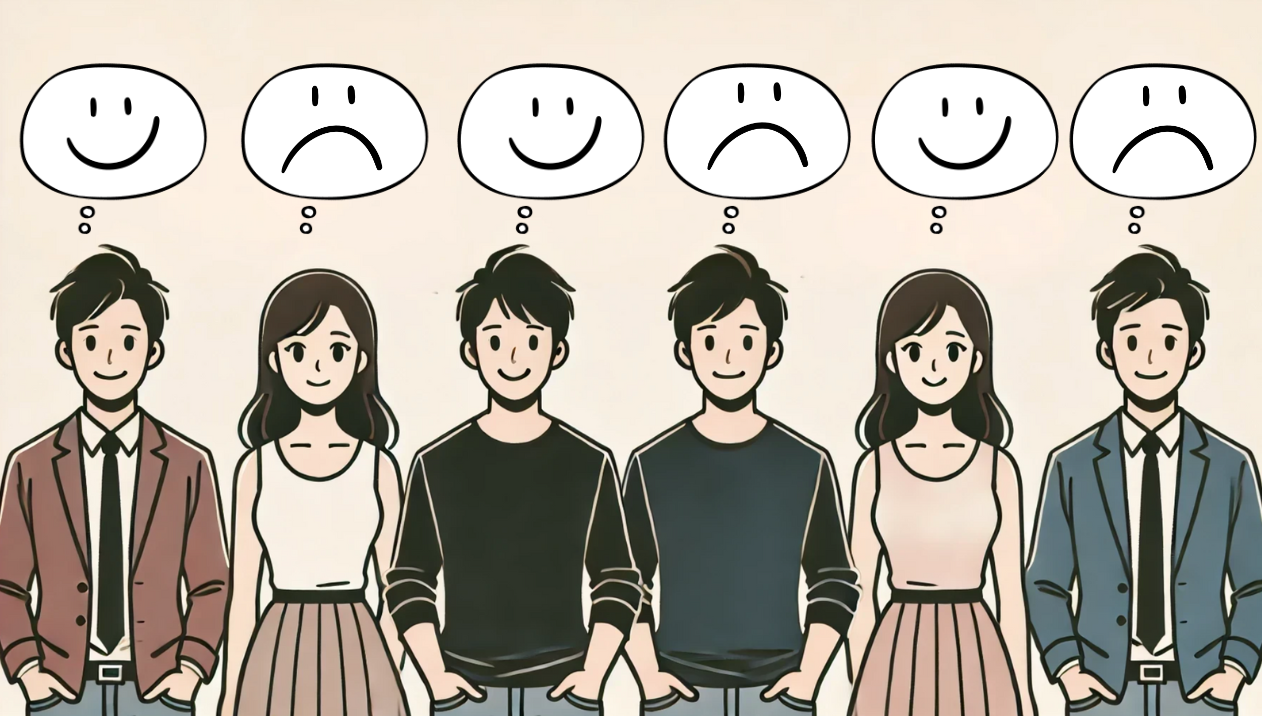
Humans have a "Social Desirability Bias" - a psychological tendency to give answers that make them look good to others, rather than sharing their honest opinions.
Example: When a restaurant staff member asks "How was your meal?", most people respond with "It was delicious." However, many actually thought "It was ordinary" or "It wasn't what I expected."
This phenomenon occurs not only in face-to-face situations but also in named surveys and research where the company name is prominently displayed.
2. Sample Bias Issues
Depending on the survey methodology, respondent demographics can become heavily skewed. Email surveys, for instance, tend to over-represent tech-savvy populations while missing senior citizens and specific demographic groups. Making decisions based on only certain customer segments risks misunderstanding the overall picture.
3. Time-Consuming Data Analysis
Aggregating and analyzing large volumes of survey data requires enormous effort and cost. Free-text responses in particular need manual categorization and nuance interpretation, often taking weeks to months. This represents a significant overhead in today's business environment where speed is critical.
Problems with Common Survey Methods
1. Loaded Questions and Leading Survey Design
Surveys designed to produce "good results" for internal reporting often stray far from their original purpose.
❌ Leading Question | ✅ Neutral Question |
|---|---|
"What do you like about this product?" | "What should we improve about this product?" |
Assumes positive sentiment | Opens space for honest feedback |
With loaded surveys, actual problems and customer dissatisfaction go undiscovered, and improvement opportunities are missed.
2. Surveys with Too Many Questions
When surveys have too many questions, respondents lose focus partway through and tend to answer later questions carelessly - "straight-lining" or giving random responses. This degrades response quality and undermines the reliability of the entire dataset.
3. Face-to-Face Survey Issues
In Japanese culture, there is a concept of "enryo" (遠慮) - restraint and politeness - that makes many people feel psychological resistance to giving negative feedback in front of staff. In face-to-face interviews, it is extremely difficult to elicit honest responses.

4. Monitor Panel Issues
In surveys using paid monitor panels, respondents may not be "real customers." Participants motivated by rewards may have different behavioral patterns and satisfaction criteria than actual service users, raising questions about the validity of the results.
Modern Customer Research: Trends and Benefits
1. Benefits of In-Store Research
In-store research captures feedback immediately after the experience, with no time lag and while memories are still fresh. By capturing "this very moment" impressions, more accurate and specific data can be obtained.
2. HYOUKA: AI Camera-Based Research System
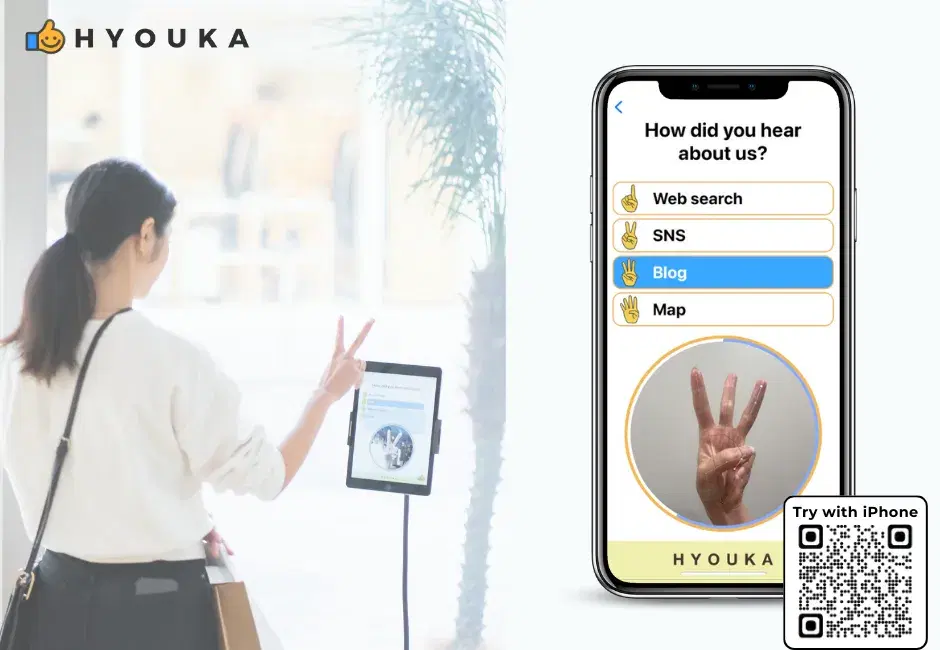
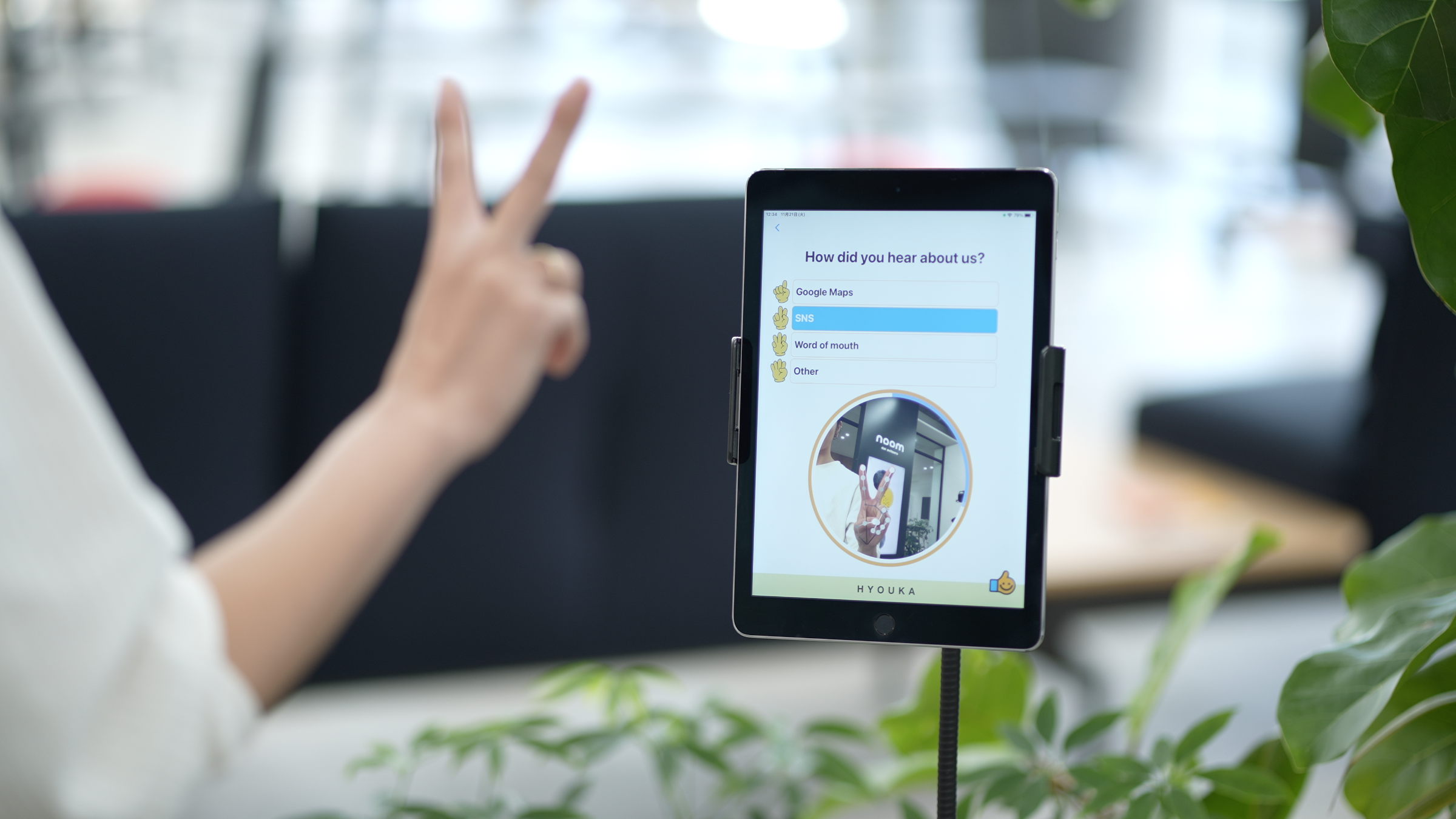
The AI camera-equipped survey system "HYOUKA" automatically identifies respondent attributes (age, gender, emotion) through the camera, eliminating the need to ask attribute-related questions.
✨ Smart Personalization
HYOUKA's AI personalizes questions based on each respondent:
- First-time visitors → "How did you hear about us?"
- Repeat customers → "How does this visit compare to your last?"
3. The Power of Real-Time Aggregation
Real-time data aggregation offers the greatest benefit of immediate business application. Weekly and daily trend tracking becomes possible, enabling early problem detection and rapid response.
Traditional Surveys | HYOUKA Real-Time | |
|---|---|---|
Data Collection | Days to weeks | Instant |
Analysis | Weeks to months | Real-time dashboard |
Action | Report → Meeting → Plan | Immediate insight → Fix today |
Bias | Social desirability, sample skew | Minimized by AI + anonymity |
Conclusion
"Listening to customer voices" is essential for CS improvement, but conventional research methods have many challenges that make it difficult to elicit honest opinions. The AI camera-based in-store survey system HYOUKA solves these challenges and provides more accurate, immediately actionable customer feedback.
🚀 Hear What Your Customers Really Think
HYOUKA captures honest, unbiased customer feedback through AI-enhanced surveys.